Redesign how work gets done

Software can now be built, changed and tested fast enough to rethink processes that were previously too expensive or difficult to change.

Opportunity

GenAI changes what your business can do

Important changes no longer need to wait for a large IT programme. Software can now follow the business much faster.

Remove work that should no longer exist

Redesign manual steps, checks and handovers that consume time without improving the result.

Give your best people more leverage

Turn expert judgement, know-how and decisions into support the whole team can use.

Build around how you want to work

Stop adapting important processes to standard software limitations.

Change what matters without rebuilding everything

Keep stable systems. Redesign the weak parts. Build around them and improve them step by step.

The opportunity is not to add AI. It is to redesign how the business works.

How we work

Start with the work, not with the technology

We use design thinking to examine the business, process, people and technology together.

Business
What should improve? What matters most? What defines success?
Process
How does the work happen today? Where are the delays, handovers and exceptions? What should disappear or change?
People
Who makes the decisions? Where does judgement matter? What will make the new way work in practice?
Technology
What can be automated or augmented? What information should be available at the point of decision? What can be built quickly?
Your Business
Understand
Observe how people actually work. Surface needs, pain points and workarounds.
Reframe
Challenge assumptions. Define the real problem around the user and the outcome.
Create
Generate alternative ways of working across business, process, people and technology.
Test
Turn ideas into journeys, sketches and prototypes. Put them in front of users and improve them.

10+ years of design thinking experience across business and technology change.
Software Factory

Turn the design into something people can use

Nuoxera Software Factory converts workshop output into digital artefacts and working prototypes.

  1. Workshop output

    • •Target process and user journey
    • •Decisions and roles
    • •Problems removed
    • •New AI-enabled interactions
  2. Software Factory

    • •Structure the design
    • •Create flows and interfaces
    • •Build working logic
    • •Add realistic data and scenarios
  3. Prototype

    • •Users experience the new way of working
    • •Leaders judge whether it solves the problem
    • •IT sees what a real solution requires
  4. Learn

    • •Test with users
    • •Capture feedback
    • •Improve
    • •Decide what to build next

Design thinking creates the idea. The Software Factory makes it testable.

Cases

What this looks like in practice

Three examples of the same pattern: important work, company-specific judgement, and software that was previously uneconomical to build.

Insurance

Redesigning front-office work around agents and managers

Problem

Work varied by agent and was difficult for managers to see and steer.

What changed

A new system was designed around the real work of agents and managers.

Evidence

A production system for 200 agents was delivered in two months and is being extended across teams.

Manufacturing

Building around operator judgement

Problem

Production planning and quality decisions relied on operator knowledge that had never been codified.

What changed

A company-specific system was designed around the actual production process.

Evidence

The solution is being delivered 3–4x faster than the packaged alternative.

Consumer finance

Rebuilding the operating platform while the business runs

Problem

Core operations depended on a fragmented mix of ERP, custom systems and manual coordination.

What changed

The operating model and platform architecture are being rebuilt step by step.

Evidence

Customer portal, partner portal, management reporting and operating workflows are moving into a more modular system.

Ways to start

Start with one important problem

Do not start with an AI programme. Start with something important that is too slow, too manual or too expensive today.

1 Day Opportunity Scan

Find where productivity, speed, control or margin can improve.

  • •Priority areas
  • •Automation opportunities
  • •Practical roadmap
Book a scan

Problem-to-Prototype Sprint

Redesign one important area with the people who do the work.

  • •Target process
  • •User journey
  • •Prototype
  • •Build recommendation
Start a sprint

Software Factory

Build and improve company-owned software in short cycles.

  • •Working releases
  • •User feedback loop
  • •Ongoing improvement
Discuss a build

Architecture & Governance Scan

For CIO and technology teams that need more change from the current stack.

  • •Architecture assessment
  • •Delivery bottlenecks
  • •Governance gaps
Discuss the scan

Who it's for

Different leaders enter through different problems

The same capability can start from strategy, operations, technology or portfolio value.

Make the company faster to change

Strategy execution, operating model, technology economics and company-owned software.

  • •Execute strategy faster
  • •Modernise without another megaprogram
  • •Build company advantage into software
Discuss this with Nuoxera

Team

Consulting and engineering in one team

We do not stop at recommendations. We move from problem definition to process redesign, prototype, software and adoption.

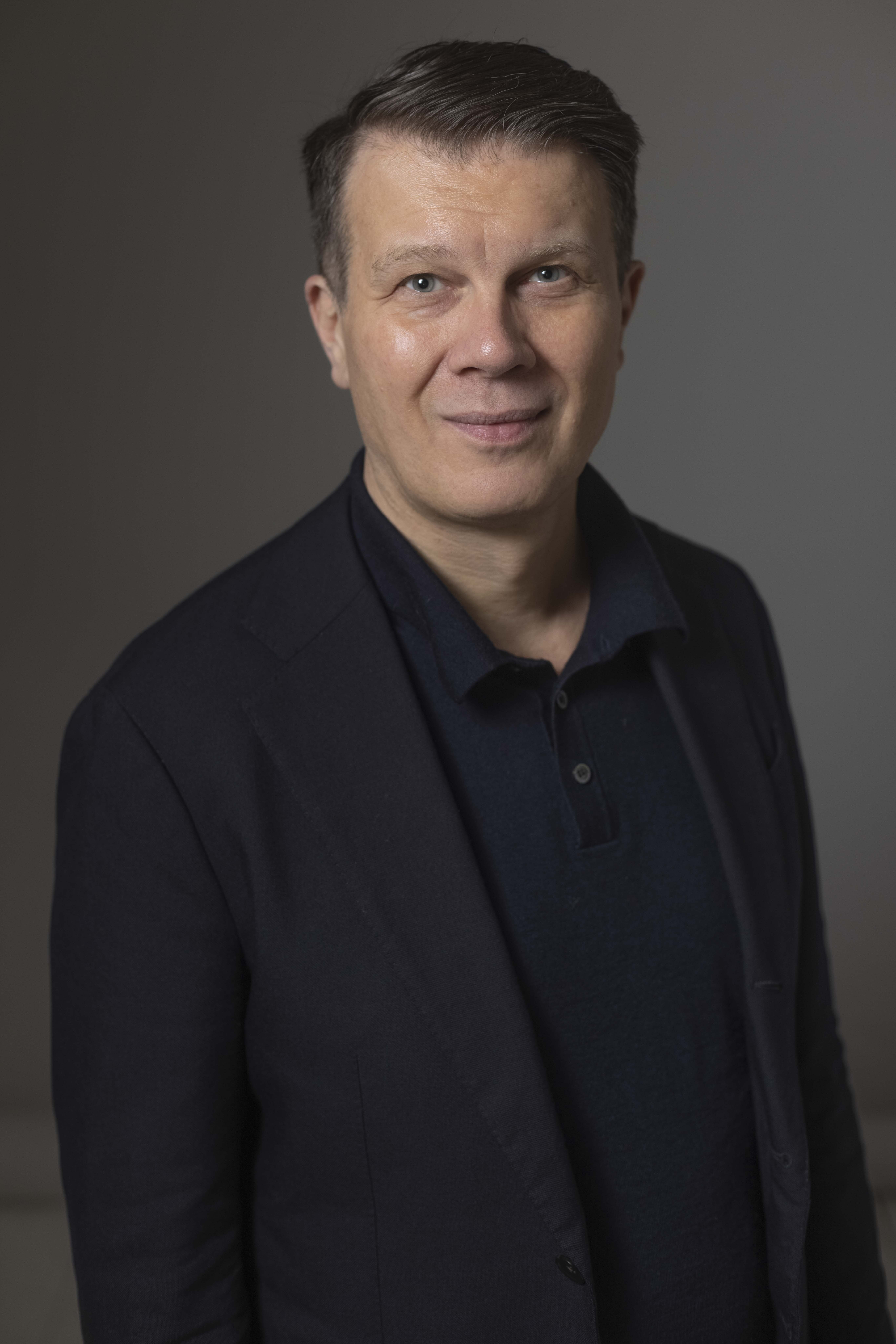
Max Kern

Max Kern

CEO

20 years at Accenture, including Managing Director and Baltic leadership. Built and led a 2,000+ person engineering organisation. Focused on strategy, business value and executive adoption.

LinkedIn
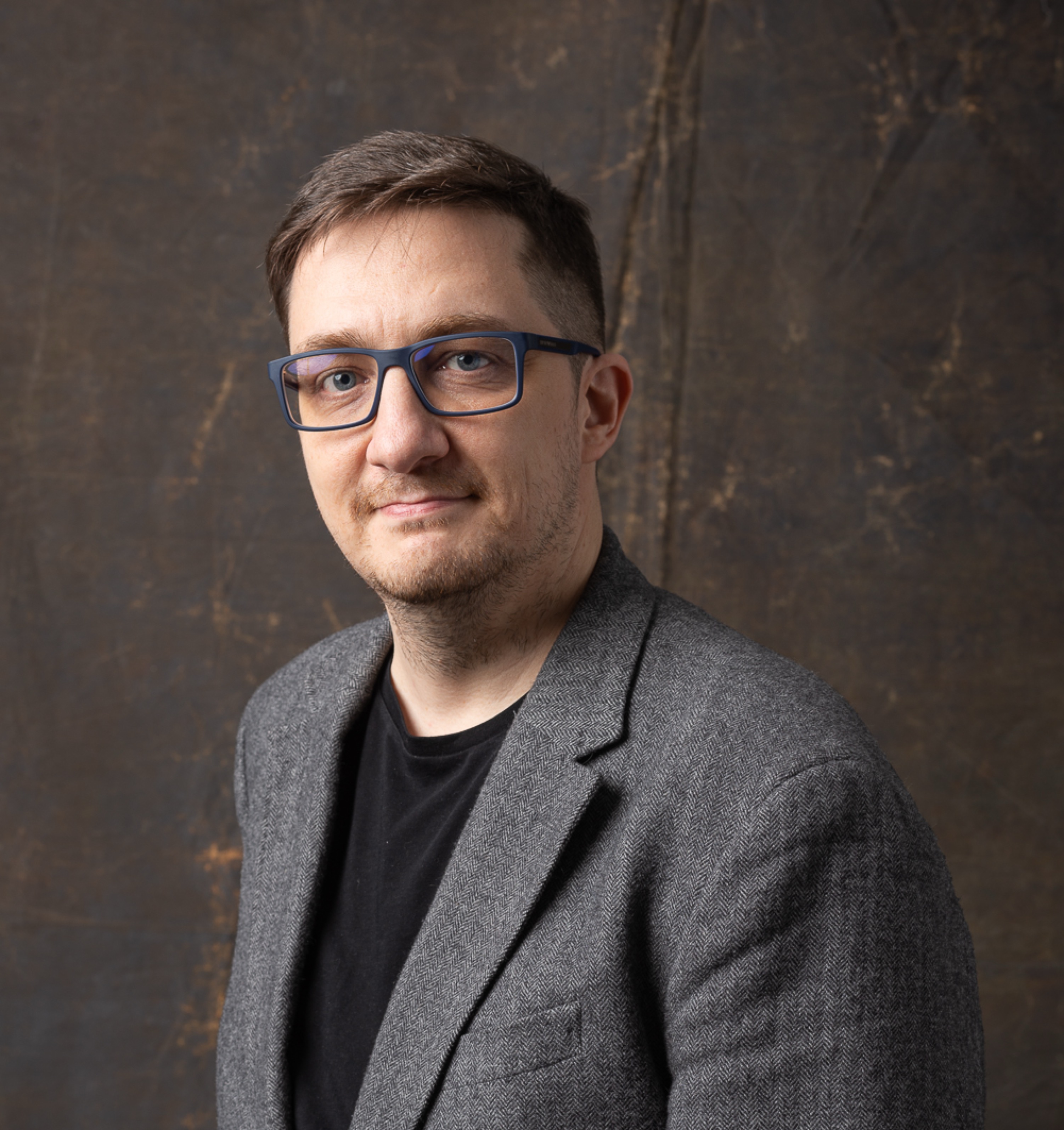
Andrey Adamovich

Andrey Adamovich

CTO

20+ years in software engineering and architecture. Focused on system design, automation, delivery and AI-native software.

LinkedIn
Kerli Vares

Kerli Vares

CRO

20+ years in growth, banking, telecom and customer experience. Former Head of Retail Banking at Luminor. Focused on commercial adoption and change.

Insights

How we think about the next generation of software

Our deeper architecture and operating-model thinking lives here, after the buyer understands the problem we solve.

Software 3.0

From fixed workflows to systems that learn from use and outcomes.

OaK Architecture

A deeper look at the architecture principles behind adaptive systems.

Learning Loops

How companies can see, know, act and learn continuously.

AI-first IT

What changes when software delivery itself becomes much cheaper and faster.

Contact

Bring us one important problem

If there is a process, decision or part of the business that is too slow, too manual or too difficult to change, we can usually tell quickly whether it is worth attacking.

Book a 30-minute discussion